
School holidays are here… which usually means more snacks, more baking, more quick meals, and let’s be real, more convenience foods.
But here’s the thing: 👉 Not all packaged foods are created equal.
And this is where understanding a nutrition label becomes your superpower.
Because when you know what to look for, you can:
- Make better choices for your kids
- Support their energy, focus & mood
- And still keep things easy, fun and realistic
At Organic Instinct, this is exactly what we do — We read the labels for you. So you don’t have to second-guess what you’re feeding your family.
Let’s break it down properly. 👇

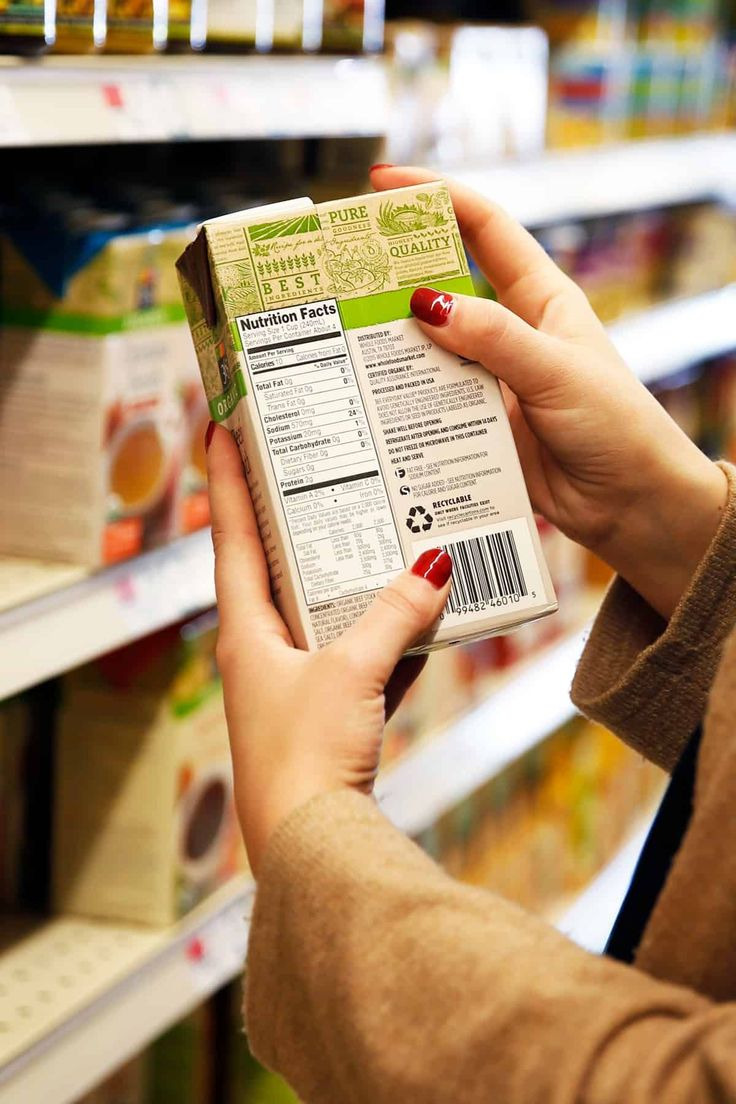
1. Always Start With the Serving Size
This is the most important step, and the one most people skip.
On Australian nutrition labels, you’ll see:
Serving size (e.g., 22 g)
Servings per pack (e.g. 5)
👉 This means:
If your child eats the whole pack…
you need to multiply everything by 5.
Why this matters:
A snack might look “low sugar” or “low calorie” —
but that’s per serving, not per pack.
✨ This is where a lot of “healthy” snacks become misleading.

2. Check Per Serving vs Per 100g
Australian labels show both:
- Per serve
- Per 100g
👉 Here’s how to use them:
- Per serve → what you’re actually eating
- Per 100g → how to compare products
💡 Example: If you’re choosing between two snack bars, always compare the per 100g column, this gives you a fair comparison.

3. Understanding the Key Nutrients
Let’s simplify what actually matters 👇

Protein
Supports:
- Growth
- Muscle development
- Keeping kids full longer
👉 Great for school holiday snacks so they’re not constantly hungry.
Look for: higher protein options in snacks, baking mixes, yoghurts.

Fat (and Saturated Fat)
Not all fat is bad.
✔ Healthy fats = brain development, energy ✖ Too much saturated fat = something to be mindful of
👉 Balance is key, not fear.

Carbohydrates & Sugars
This is where things can feel confusing.
On labels you’ll see:
- Total carbohydrates
- Sugars
👉 Important: Not all sugar is the same, and it’s not something you need to completely avoid.
Your body actually uses sugar (glucose) as a key source of energy, especially for the brain.

Understanding the Difference
Natural sugars (fruit, dates, honey) ✅
- Come with fibre, vitamins and minerals
- Slower release of energy (especially when in whole foods)
Refined sugars (white sugar, syrups) ❌
- Highly processed
- Stripped of nutrients
- Can lead to quick spikes and crashes in energy

You might see ingredients like rapadura, coconut sugar or date sugar, especially in cleaner products.
Here’s how they compare 👇
Rapadura sugar
- Minimally processed sugar cane
- Retains small amounts of minerals
- Less refined than white sugar
Coconut sugar
- Made from coconut palm sap
- Contains trace minerals
- Slightly lower glycaemic impact compared to white sugar
Date sugar (or date-based sweeteners)
- Made from whole dried dates
- Contains fibre and nutrients
- More of a whole food sweetener, not just empty calories
👉 Compared to white sugar:
- Less processed
- More natural
- Provide small amounts of nutrients
But, important to remember:
✨ They are still sugars.
✔ Better options ✖ Still best enjoyed in moderation

Fibre
One of the most underrated nutrients.
Supports:
- Gut health
- Digestion
- Keeping kids fuller longer
👉 Most kids don’t get enough fibre, especially during holidays.

Sodium
This is a big one in packaged foods.
👉 General guide:
- Low: under 120mg per 100g
- High: over 400mg per 100g
Too much sodium = not ideal long term, especially for kids.
Not All Salt Is Equal
Just like sugar, the type of salt used also matters.
Refined table salt ❌
- Highly processed
- Stripped of natural minerals
- Often contains additives (like anti-caking agents)

Better options to look for in an ingredient list:
Celtic sea salt ✅
- Less processed
- Retains natural trace minerals
- More “whole” form of salt
Himalayan salt ✅
- Contains trace minerals
- Less refined than standard table salt
Sea salt ✅
- Typically less processed
- More natural compared to refined salt

4. Flip It Over, The Ingredients List Matters More
Here’s your golden rule:
👉 The first ingredient is the highest in the product.
So if you see:
- Sugar
- Glucose syrup
- Vegetable oils
…at the top of the list 🚩
That’s what the product is mostly made of.

What to Look For Instead
- Whole food ingredients
- Ingredients you recognise
- Shorter ingredient lists
💡 If you can’t pronounce it or don’t know what it is, question it.

5. Why This Matters More During School Holidays
During school holidays:
- Kids snack more
- Meals are less structured
- Convenience foods increase
👉 Which means: Small choices add up quickly.
This doesn’t mean restriction.
This is where your philosophy comes in 👇
✨ It’s about balance, not perfection.
- You can still enjoy treats
- You can still keep things easy
- But you choose better versions
6. This Is Where Organic Instinct Comes In
We know reading labels can feel overwhelming.
That’s why at Organic Instinct: 👉 We’ve already done the checks for you.
Every product we stock is selected based on:
- Cleaner ingredients
- No unnecessary additives
- Better quality nutrition
School Holiday Staples You Can Feel Good About

Snacks
Instead of highly processed options, we focus on:
- Lower sugar snacks
- Whole food based bars & treats
- Kids-friendly options without artificial ingredients
Click HERE to shop healthy snacks.

Baking Mixes (Perfect for School Holidays)
A great activity + better ingredients 👇
- Cleaner baking mixes
- Less refined sugar
- Simple, recognisable ingredients
👉 Get the kids involved, and know exactly what’s going into their food.
Click HERE to shop clean baking mixes.

Pantry Staples
Your everyday swaps make the biggest difference:
- Nut butters
- Clean snacks
- Better-for-you pantry options
Click HERE to shop healthy pantry staples

7. The Takeaway
Reading a nutrition label isn’t about being perfect.
It’s about: ✔ Being aware ✔ Making informed choices ✔ Supporting your family’s health long-term
Because when you understand what you’re eating… 👉 You’re in control.

Final Thought
This school holidays, don’t stress about doing everything perfectly.
Just start with: 👉 Reading the label 👉 Choosing better where you can 👉 Keeping it balanced
And if you’re ever unsure?
We’ve done the hard work for you.
🛒 Shop clean, trusted products: www.organicinstinct.net.au
Written by
Organic Instinct
Editorial Team