
(Plus Gentle Ways to Reduce Microplastics)
Packing school lunches can feel like another mental load in an already busy day. As mums, we want lunches that are nourishing, simple, and actually eaten — without relying on ultra-processed foods or spending hours in the kitchen.
With a few easy ideas and mindful swaps, you can support your child’s nutrition and reduce exposure to microplastics — without perfection or pressure.
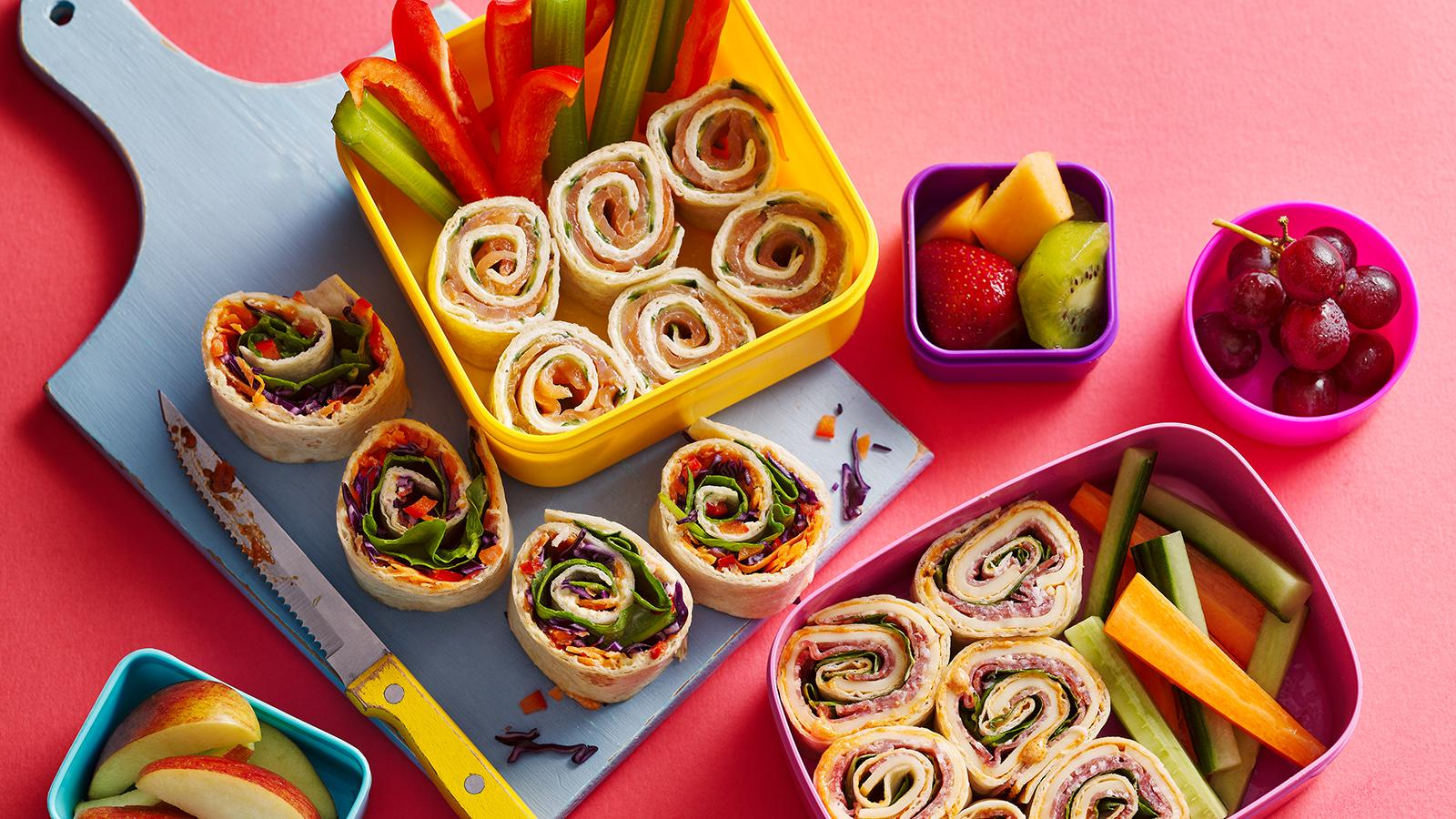
1. Wraps & Roll-Ups (Quick & Customisable)
Wraps are a lunchbox staple because they’re easy to prepare and simple for little hands to eat.
Try:
- Wholemeal wrap with cheese, avocado & cucumber
- Chicken or falafel with hummus and grated carrot
- Egg & mayo with lettuce
Tip: Slice wraps into pinwheels for younger kids — it often encourages them to eat more.

2. Snack Boxes (Perfect for Fussy Eaters)
Snack-style lunches offer variety and reduce pressure around finishing one big meal.
Mix & match:
- Boiled eggs
- Cheese cubes
- Fresh fruit
- Crackers or rice cakesOlives or cherry tomatoes
This approach also helps kids listen to their hunger cues.
3. Leftovers = Less Stress
Dinner leftovers are one of the easiest lunch solutions.
Great options include:
- Pasta with vegetables
- Rice, lentils or beans
- Roast vegetables with protein
Use a stainless-steel thermos to keep meals warm when needed.

4. Simple Homemade Snacks (When You Have Time)
You don’t need to bake weekly — even one batch every couple of weeks helps.


Easy ideas:
- Banana or oat muffins
- Bliss balls
- Homemade slices
Store extras in the freezer for busy mornings.
How to Reduce Microplastics in Kids Lunches
Microplastics are tiny plastic particles found in food, water, and packaging. While they’re hard to avoid completely, small, intentional changes make a difference.
1. Choose Stainless Steel or Glass Containers
Plastic containers can release microplastics, especially when heated.
✔ Use stainless steel or glass ✖ Avoid reheating food in plastic
2. Skip Plastic Wrap Where Possible
Instead of cling film, try:
- Beeswax wraps
- Silicone food covers
- Reusable containers
These are safer for food and kinder to the environment.
3. Focus on Whole, Less-Packaged Foods
Ultra-processed snacks often come with heavy plastic packaging.
Choose:
- Fresh fruit
- Homemade snacks
- Bulk whole foods stored in glass jars
4. Switch to Stainless Steel Water Bottles
Plastic bottles, especially when left in the sun, can increase microplastic exposure.


A stainless-steel bottle is a simple, long-term upgrade.
Supporting Healthy Lunches Starts at Home
If you’re looking for clean, family-friendly lunchbox options, low-tox food storage, or guidance on reducing everyday chemical and microplastic exposure, the team at Organic Instinct is here to help.
From wholefood snacks and pantry staples to stainless-steel lunchboxes, glass containers, and nutrition-led advice — we’re passionate about helping families make simple, healthier swaps that fit real life.
Visit us in store 36 Zakwell Court, Coolaroo VIC
Shop Online: www.organicinstinct.net.au
Or pop in to chat with our team for personalized, practical support for you and your kids.
Written by
Organic Instinct
Editorial Team