
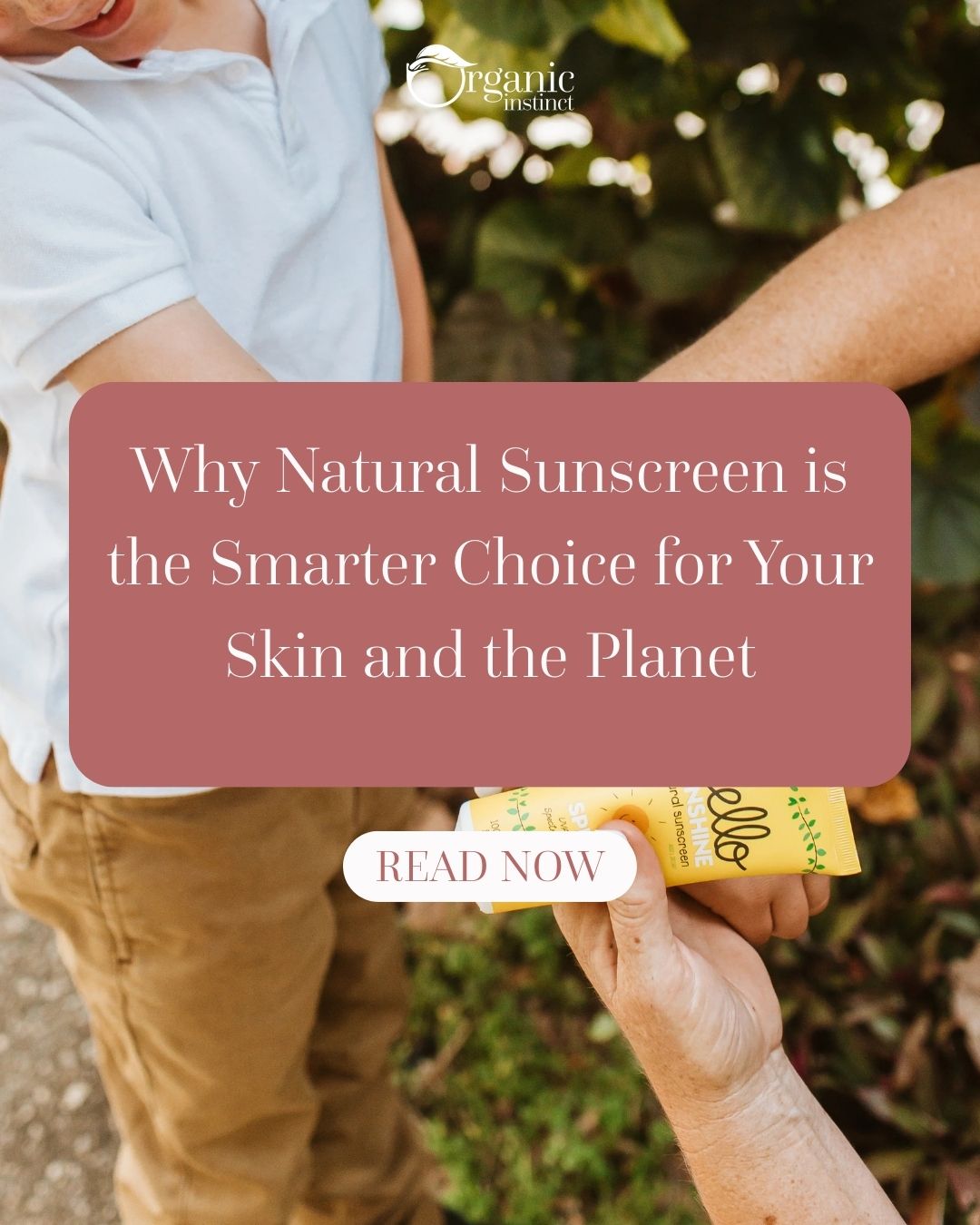
Protecting your skin from the sun is essential, but not all sunscreens are created equal. Mineral-based, natural sunscreens offer safe, effective protection without the harsh chemicals found in many conventional products. They’re gentle on sensitive skin, safer for your body, and kinder to the environment.

1. Gentle on Sensitive Skin
If your skin is prone to irritation, eczema, or rosacea—or if you’re pregnant or breastfeeding—chemical sunscreens can sometimes cause reactions. Mineral sunscreens, made with zinc oxide and titanium dioxide, sit on the skin’s surface rather than being absorbed. This makes them less likely to irritate, making them ideal for children, sensitive skin, and the whole family.
2. Environmentally Friendly
Chemical filters like oxybenzone and octinoxate have been linked to coral bleaching and harm to marine life. Mineral sunscreens, especially non-nano zinc oxide and titanium dioxide, are safer for aquatic ecosystems, giving you the chance to protect your skin and the planet at the same time. Switching to natural sunscreen is a small change with a big environmental impact.
3. Broad-Spectrum Protection from Day One
Mineral sunscreens physically block UVA and UVB rays, protecting your skin immediately upon application. Chemical sunscreens, by contrast, take 20–30 minutes to absorb before becoming fully effective. Mineral sunscreen gives you peace of mind knowing you’re protected as soon as you step into the sun.
- UVA rays penetrate deeper and contribute to premature aging and wrinkles.
- UVB rays are the primary cause of sunburn.
By choosing broad-spectrum mineral sunscreen, you shield your skin from both types of harmful rays instantly.

4. Reduced Skin Absorption & Systemic Risk
Because the active ingredients in mineral sunscreens mostly remain on the skin’s surface, there’s minimal absorption into the body. This reduces potential long-term health concerns linked to chemical filters, giving you extra peace of mind.
5. Tips for Using Mineral Sunscreen Effectively
- Apply generously to all exposed areas, including often-missed spots like ears, the back of the neck, and hands.
- Re-apply every 2 hours or after swimming or sweating.
- Use sunscreen daily, even on cloudy days or during short outdoor activities.
- Pair with protective clothing, hats, and sunglasses for maximum protection.
6. Balancing Sun Protection with Vitamin D
Sunlight helps your body produce vitamin D, essential for bones, immunity, and mood. You don’t need to overexpose yourself, only short, safe periods in the sun (before peak hours) can help maintain vitamin D levels while your mineral sunscreen keeps you protected during longer exposures.

Protect Your Skin Naturally with Organic Instinct
At Organic Instinct, our mineral sunscreens are chemical-free, gentle, and environmentally responsible. They offer broad-spectrum protection while being safe for sensitive skin, kids, and pregnant or breastfeeding individuals.
Whether it’s a day at the beach, a hike, or your everyday walk, our sunscreens provide the ultimate natural shield for your skin.
Explore Our Natural Sunscreen Range
Stay well and hydrated,
Organic Instinct Team
Written by
Organic Instinct
Editorial Team