How To Support Your Immune System This Winter
Winter can place extra stress on the body. Reduced sunlight exposure, increased stress, disrupted sleep, nutrient deficiencies, and lower activity levels can all influence how effectively the immune system functions.
Your immune system is not controlled by one single nutrient or supplement alone. It relies on multiple systems throughout the body working together, including the gut, nervous system, sleep cycles, hydration status, nutrient intake, and inflammatory balance.
At Organic Instinct, we believe supporting wellness during winter starts with building strong daily foundations.
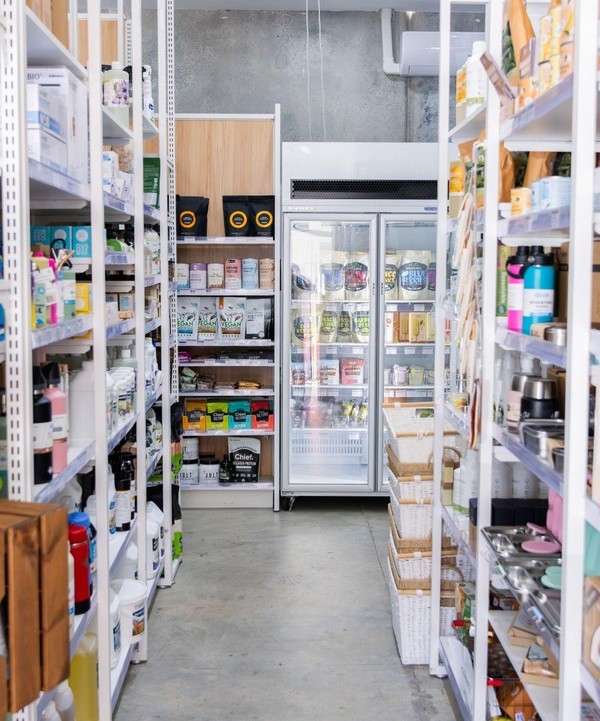
1. Targeted Supplements For Immune Support
The immune system relies on a constant supply of nutrients to produce and regulate immune cells, inflammatory responses, and recovery processes.
When the body is exposed to stress, poor sleep, illness, or nutrient deficiencies, the demand for certain nutrients can increase significantly.
Why Nutrients Matter For Immunity
Vitamin C
Vitamin C acts as a powerful antioxidant and plays an important role in protecting immune cells from oxidative stress. It also supports the production and function of white blood cells, particularly neutrophils and lymphocytes, which help the body respond to infections.
Vitamin C is also involved in collagen production, helping maintain the integrity of skin and mucosal barriers, your body’s first line of defense against pathogens.
Zinc
Zinc is essential for immune cell signaling and development. Low zinc levels may impair the function of T-cells, which are heavily involved in immune defense and inflammatory regulation.
Zinc also supports wound healing and helps maintain healthy skin and mucosal tissues.
Vitamin D
Vitamin D plays a major role in regulating both the innate and adaptive immune systems. Vitamin D receptors are found on many immune cells throughout the body.
Low vitamin D levels have been associated with impaired immune regulation and increased susceptibility to seasonal illness in some individuals.
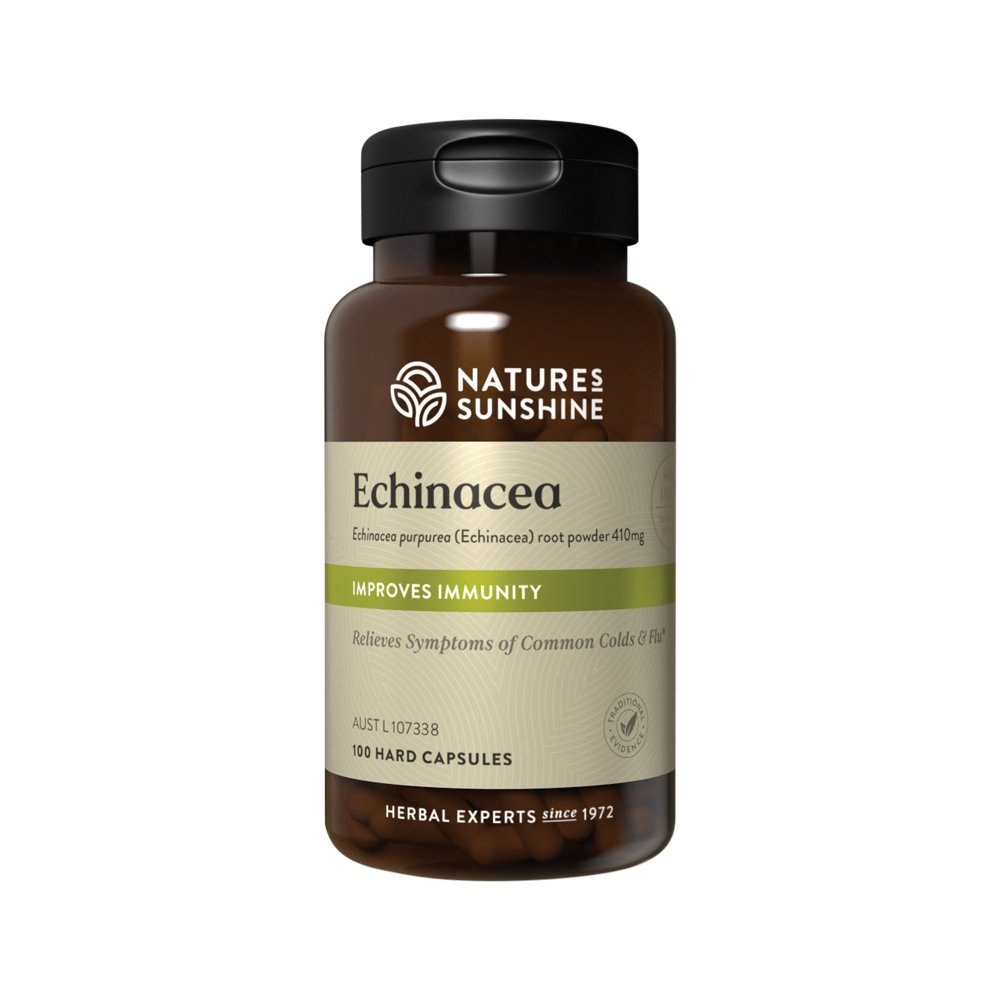
Elderberry, Echinacea & Olive Leaf
These herbs have traditionally been used to support immune health and recovery during winter.
Olive leaf contains oleuropein, a plant compound studied for its antioxidant properties. Elderberry is rich in polyphenols and antioxidants, while echinacea has traditionally been used in Western herbal medicine to support immune function.
Our Top Immune Support Picks
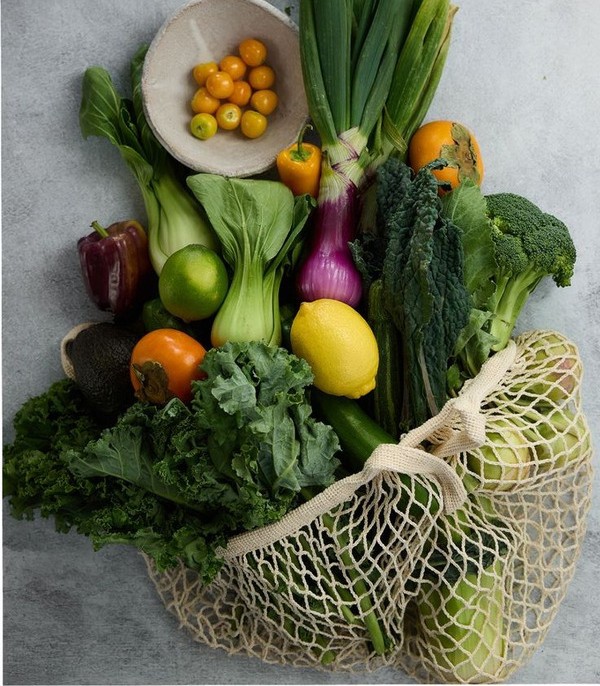
2. Nourish Your Body With Whole Foods
The immune system is highly energy-dependent and requires adequate protein, vitamins, minerals, fatty acids, antioxidants, and fiber to function effectively.
Ultra-processed diets high in refined sugars and low in nutrients may contribute to increased inflammation and poorer overall health outcomes over time.
Whole foods provide the building blocks required for:
-
Immune cell production
-
Tissue repair
-
Antioxidant defence
-
Healthy inflammatory responses
-
Gut microbiome support
Why Protein Matters
Immune cells are made from amino acids derived from protein. During periods of stress or illness, protein requirements may increase as the body works to repair tissues and produce immune compounds.
Garlic & Onion
Garlic and onion contain sulfur-containing compounds that have been studied for their antioxidant and antimicrobial properties.
Bone Broth & Gut Support
Bone broth provides amino acids including glycine and proline, which support connective tissue, gut lining integrity, and recovery.
Colourful Vegetables
Vegetables provide antioxidants such as vitamin C, carotenoids, and polyphenols, which help reduce oxidative stress within the body.
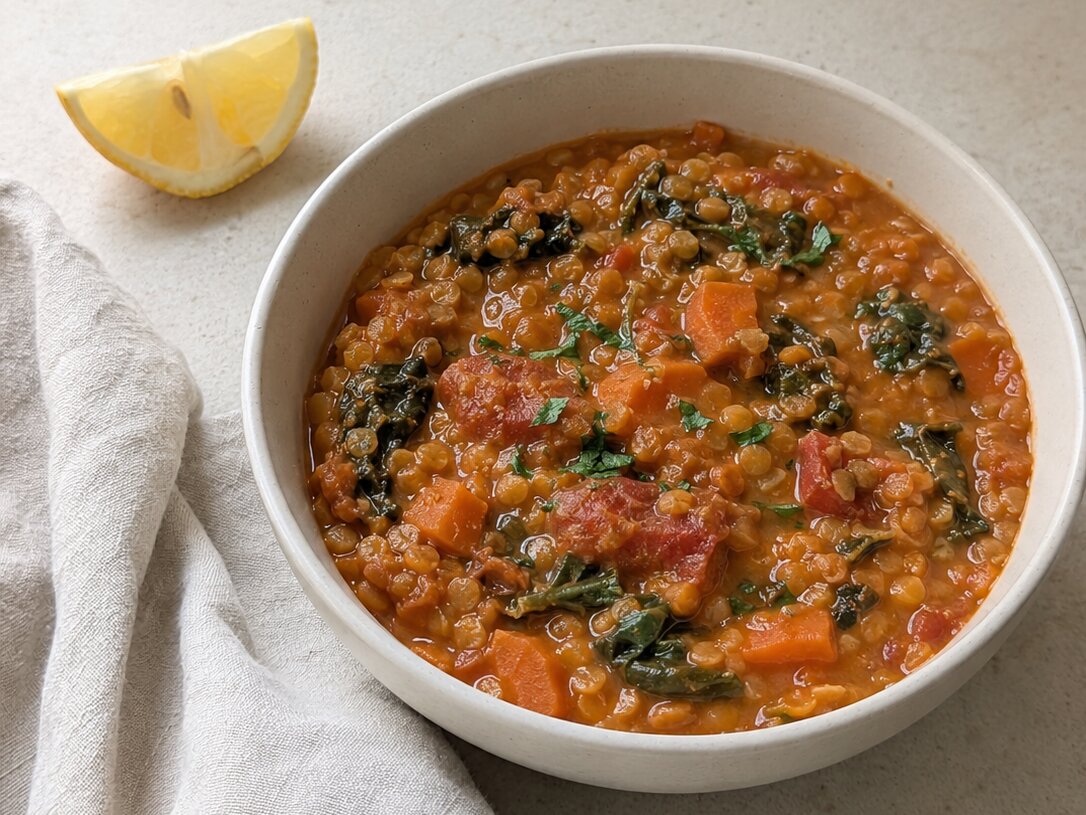
Winter Nourishing Chicken & Vegetable Soup
Ingredients
-
500g chicken (thighs or bone-in for extra nourishment)
-
1 tbsp. Sol Ghee Grass-Fed Sol Ghee 275g
-
1 brown onion, diced
-
2 cloves garlic, minced
-
2 carrots, chopped
-
2 celery stalks, chopped
-
1 zucchini, chopped
-
1 tbsp. Best of the Bone Chicken Bone Broth Concentrate Original 180g
-
1 tsp dried parsley (or Italian herbs)
-
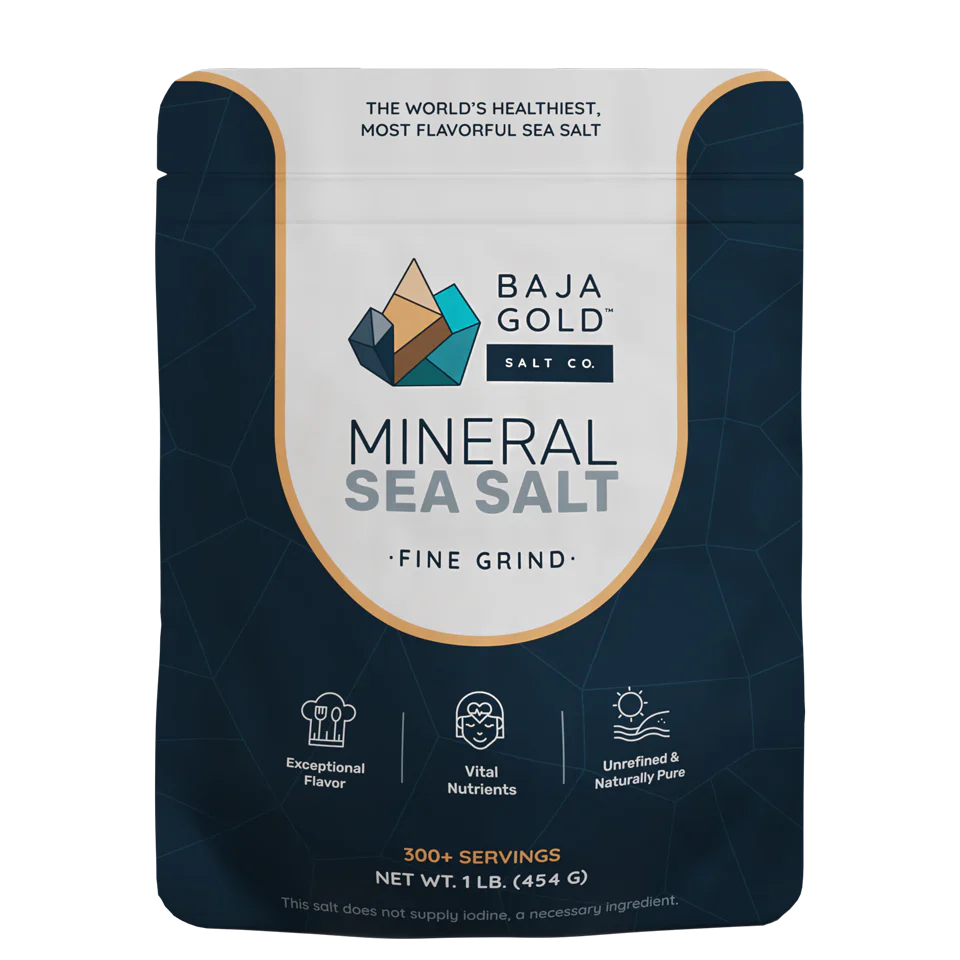
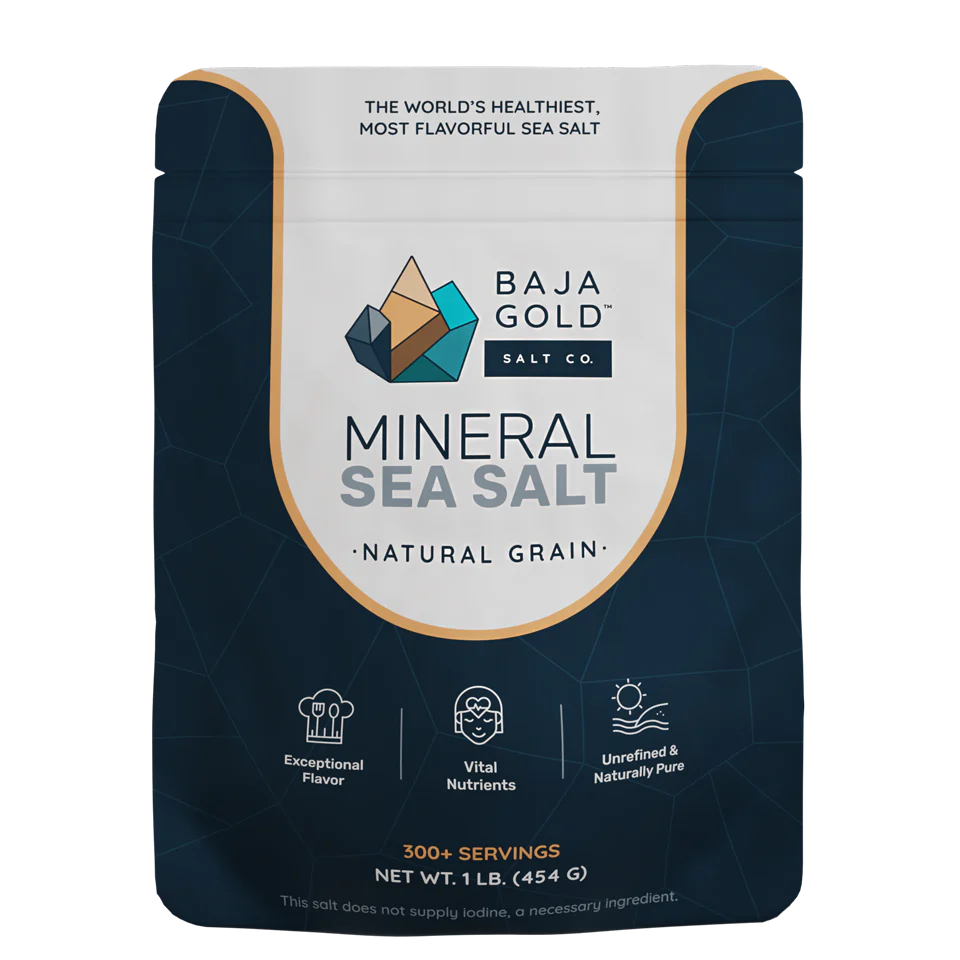
Sea salt + black pepper
-
1L filtered water
Method:
-
Heat oil in a pot and sauté onion + garlic until fragrant
-
Add chicken, lightly brown
-
Add vegetables, broth + herbs
-
Bring to a boil, then simmer for 25–30 minutes
-
Shred chicken, return to pot
-
Add greens (if using), season to taste
Featured Products

3. Reduce Your Toxin Load
The body is constantly processing environmental toxins through the liver, kidneys, skin, lungs, and digestive system.
While the body is naturally equipped to detoxify and eliminate substances, reducing unnecessary chemical exposure may help lower the overall burden placed on these systems.
Many conventional cleaning and body products may contain:
-
Synthetic fragrances
-
Volatile organic compounds (VOCs)
-
Harsh preservatives
-
Endocrine-disrupting chemicals
For some individuals, ongoing exposure may contribute to irritation, headaches, skin sensitivities, or inflammatory stress.
Lower-tox living focuses on reducing unnecessary exposures where practical, especially within the home environment where daily exposure is highest.
Why This May Matter For Immune Health
The immune system and inflammatory system are closely connected. Chronic inflammatory burden may influence how efficiently the body regulates immune responses over time.
Reducing exposure to irritants may help support:
-
Skin barrier health
-
Respiratory health
-
Hormonal balance
-
Overall inflammatory load
Low-Tox Favourites

4. Move Daily
Movement supports much more than fitness alone. Regular physical activity influences circulation, lymphatic flow, metabolic health, stress regulation, and immune surveillance.
The lymphatic system plays a key role in transporting immune cells throughout the body. Unlike the cardiovascular system, the lymphatic system relies heavily on movement and muscle contractions to circulate fluid effectively.
How Exercise Supports Immunity
Moderate movement may help:
-
Improve circulation of immune cells
-
Support healthy inflammatory responses
-
Enhance insulin sensitivity
-
Support stress management
-
Improve sleep quality
Exercise also stimulates the release of anti-inflammatory compounds called myokines from skeletal muscle.
Why Overtraining Can Be Problematic
Excessive training without adequate recovery may temporarily suppress aspects of immune function by increasing stress hormones such as cortisol.
This is why balanced movement, adequate nutrition, hydration, and recovery are essential.
Energy Supporting Products

5. Prioritise Sleep Quality
Sleep is one of the most important biological processes involved in immune regulation and recovery.
During sleep, the body undergoes repair and recovery processes that influence:
-
Immune cell production
-
Cytokine regulation
-
Hormonal balance
-
Nervous system recovery
-
Inflammatory responses
What Happens During Poor Sleep?
Sleep deprivation may:
-
Increase cortisol levels
-
Impair immune cell communication
-
Increase inflammatory markers
-
Reduce recovery capacity
Research has shown that inadequate sleep may influence susceptibility to illness and impair recovery.
Melatonin & Immune Function
Melatonin is primarily known for regulating circadian rhythm, but it also has antioxidant properties and interacts with immune signaling pathways.
Magnesium & Nervous System Support
Magnesium supports relaxation by helping regulate the nervous system and muscle function. Chronic stress may increase magnesium requirements in some individuals.
Sleep Support Products

6. Manage Stress
The nervous system and immune system are closely interconnected.
When the body experiences chronic stress, it activates the hypothalamic-pituitary-adrenal (HPA) axis, increasing stress hormones such as cortisol and adrenaline.
Short-term stress is normal and protective. However, ongoing stress may contribute to:
-
Poor sleep
-
Increased inflammation
-
Digestive disruption
-
Fatigue
-
Immune dysregulation
Cortisol & Immune Function
Persistently elevated cortisol levels may suppress aspects of immune function over time and impair the body’s ability to recover efficiently.
Stress can also influence gut health, blood sugar regulation, food cravings, and nervous system balance.
Adaptogens & Nervous System Support
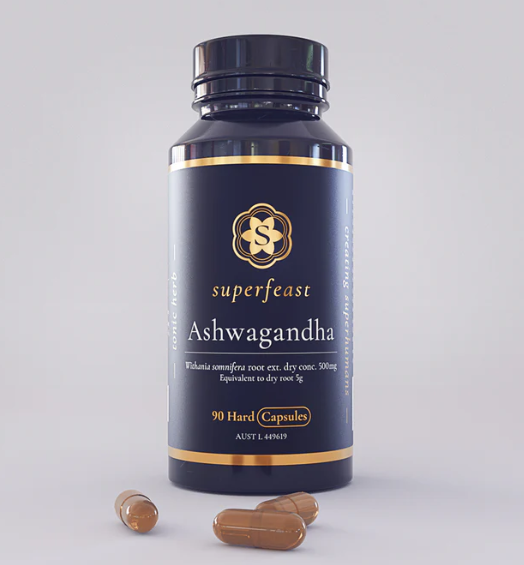
Adaptogenic herbs such as ashwagandha are traditionally used to support the body’s stress response and nervous system resilience.
Magnesium and B vitamins also play important roles in nervous system function and energy production.
Stress Support Products

7. Stay Hydrated
Hydration is essential for nearly every physiological process within the body.
Water supports:
-
Nutrient transport
-
Temperature regulation
-
Detoxification
-
Circulation
-
Cellular function
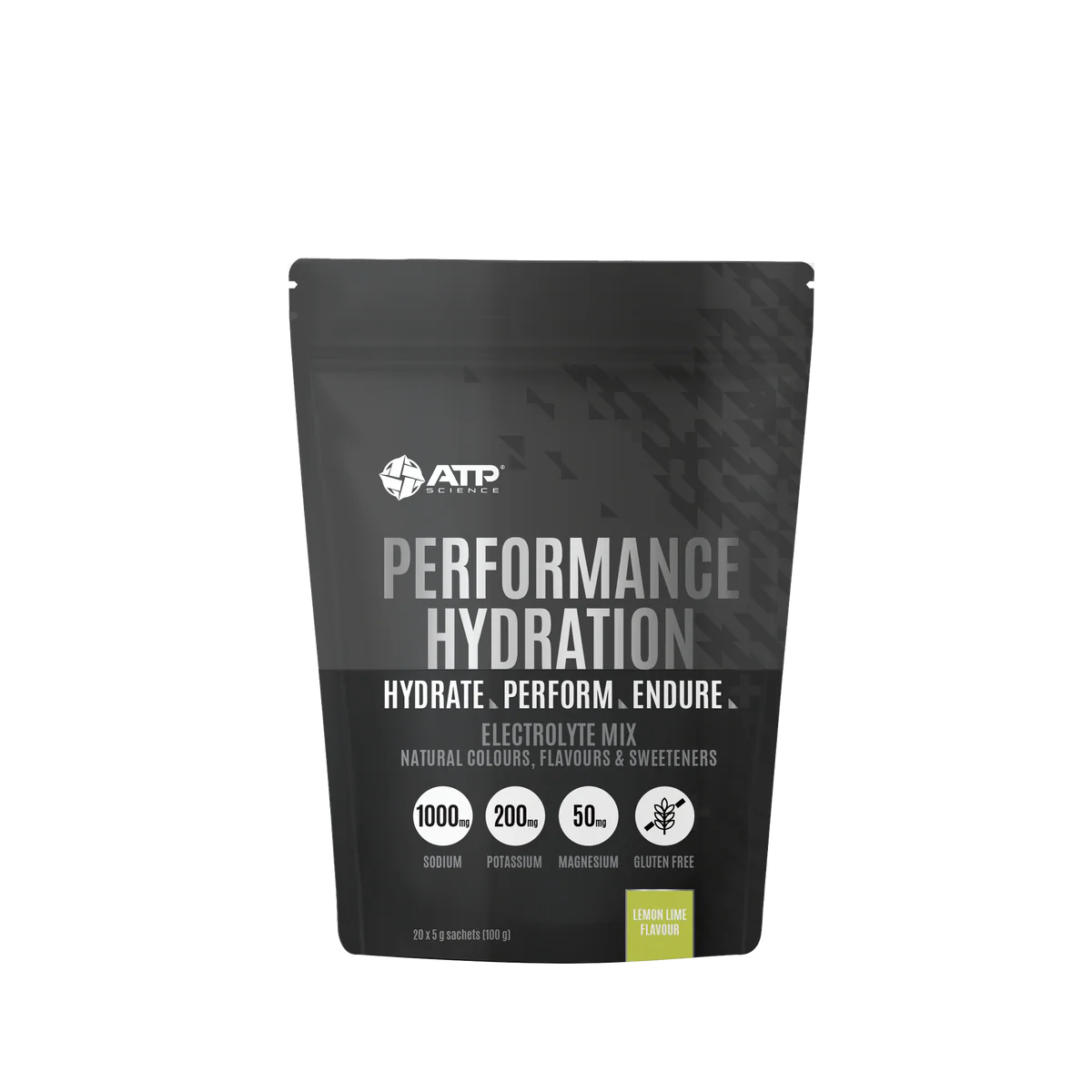
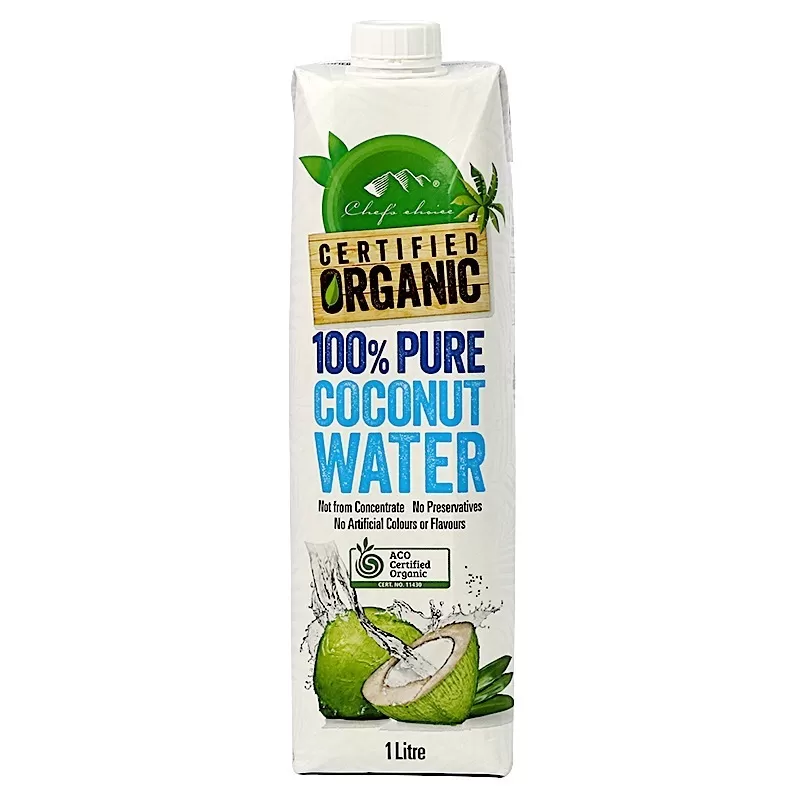
Electrolytes such as sodium, potassium, magnesium, and chloride help regulate fluid balance and nerve signaling.
Hydration & Immunity
Proper hydration helps maintain:
-
Healthy mucosal barriers
-
Circulation of nutrients and immune cells
-
Energy production
-
Recovery processes
Dehydration may contribute to fatigue, headaches, brain fog, reduced physical performance, and impaired recovery.
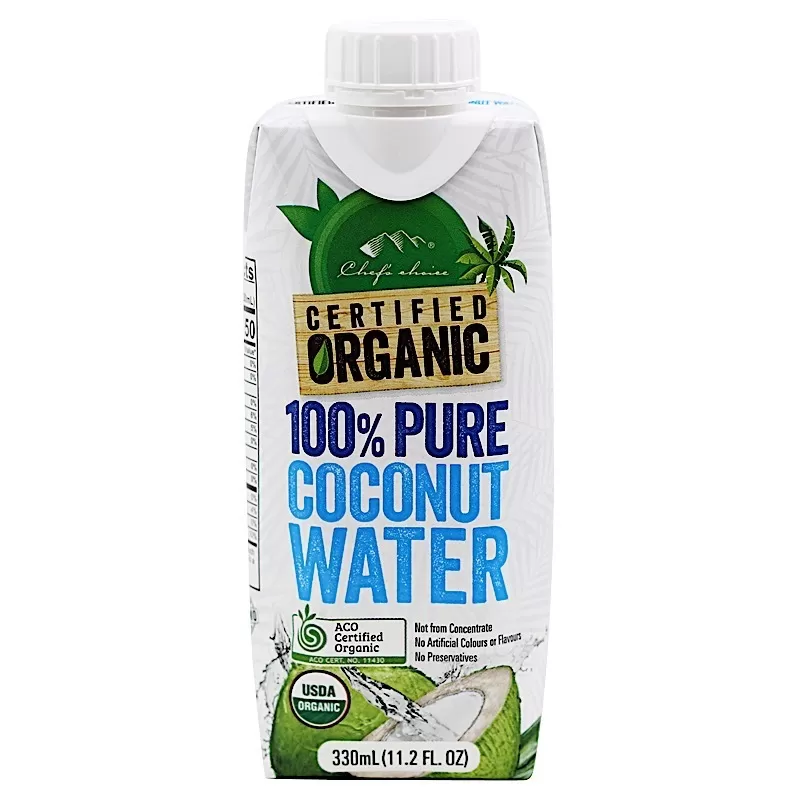
Why Electrolytes Matter
Electrolytes help the body absorb and retain fluids effectively. In some cases, people may drink large amounts of water but still feel dehydrated if electrolyte balance is poor.
Hydration Favourites

8. Daily Sunlight & Vitamin D
Sunlight exposure influences much more than mood alone. It plays a critical role in regulating circadian rhythm, hormone production, sleep quality, nervous system balance, and vitamin D synthesis.
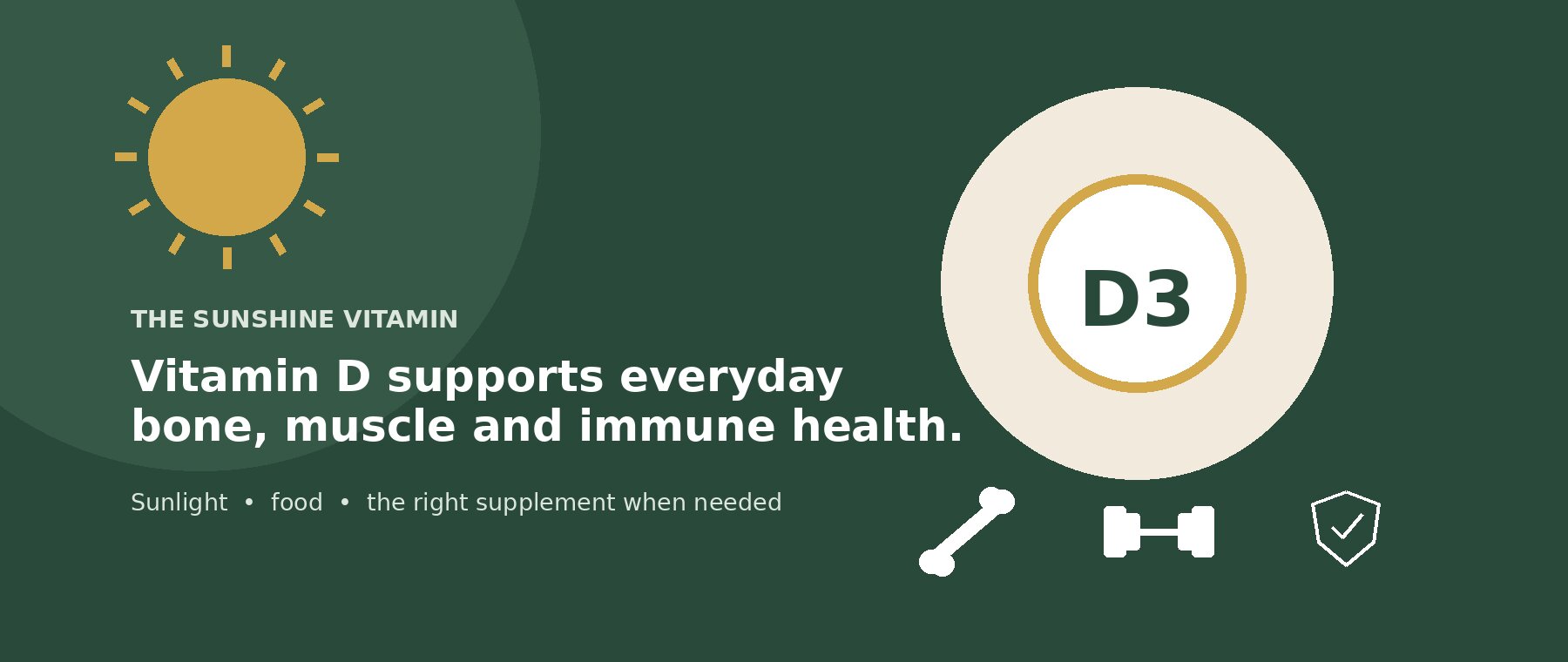
Vitamin D functions more like a hormone than a traditional vitamin and is involved in hundreds of biological processes throughout the body, particularly immune regulation.
Vitamin D & The Immune System
Vitamin D receptors are found on many immune cells, including:
-
T-cells
-
B-cells
-
Macrophages
-
Dendritic cells
These immune cells rely on adequate vitamin D levels to help regulate immune signaling and inflammatory responses.
Vitamin D also helps support:
-
Immune cell communication
-
Healthy inflammatory balance
-
Respiratory health
-
Bone health
-
Mood and nervous system function
During winter, many people spend more time indoors, wear heavier clothing, and receive significantly less UVB exposure from sunlight, which may contribute to lower vitamin D levels.
Low vitamin D levels may sometimes present with:
-
Fatigue
-
Lower mood
-
Increased susceptibility to seasonal illness
-
Muscle weakness
-
Poor recovery
Circadian Rhythm & Immune Health
Morning sunlight exposure also helps regulate the body’s circadian rhythm, which influences the following:
-
Sleep quality
-
Cortisol patterns
-
Melatonin production
-
Energy levels
-
Immune repair cycles
Disrupted circadian rhythm may negatively affect both the nervous system and immune function over time.
Even simple habits such as the following:
-
Morning walks
-
Sitting outdoors with your coffee
-
Getting sunlight into the eyes early in the day
-
Spending more time outside
can help support overall well-being during winter.
Vitamin D Support Products
-
Herbs of Gold Vitamin D3 1000
Supports healthy vitamin D levels, bone health, and immune system function. -
Nature’s Help Vitamin D3 & K2 Drops
Combines vitamin D3 with K2 to support calcium regulation and overall health. -
Micronutrition Vitamin D3 & K2 Drops
Convenient liquid format for daily support. -
Herbs of Gold Vitamin D3 Liquid
Liquid vitamin D support for easy absorption. -
Switch Nutrition Vitamin D3 + K2
Supports immune health, bone health, and daily wellness. -
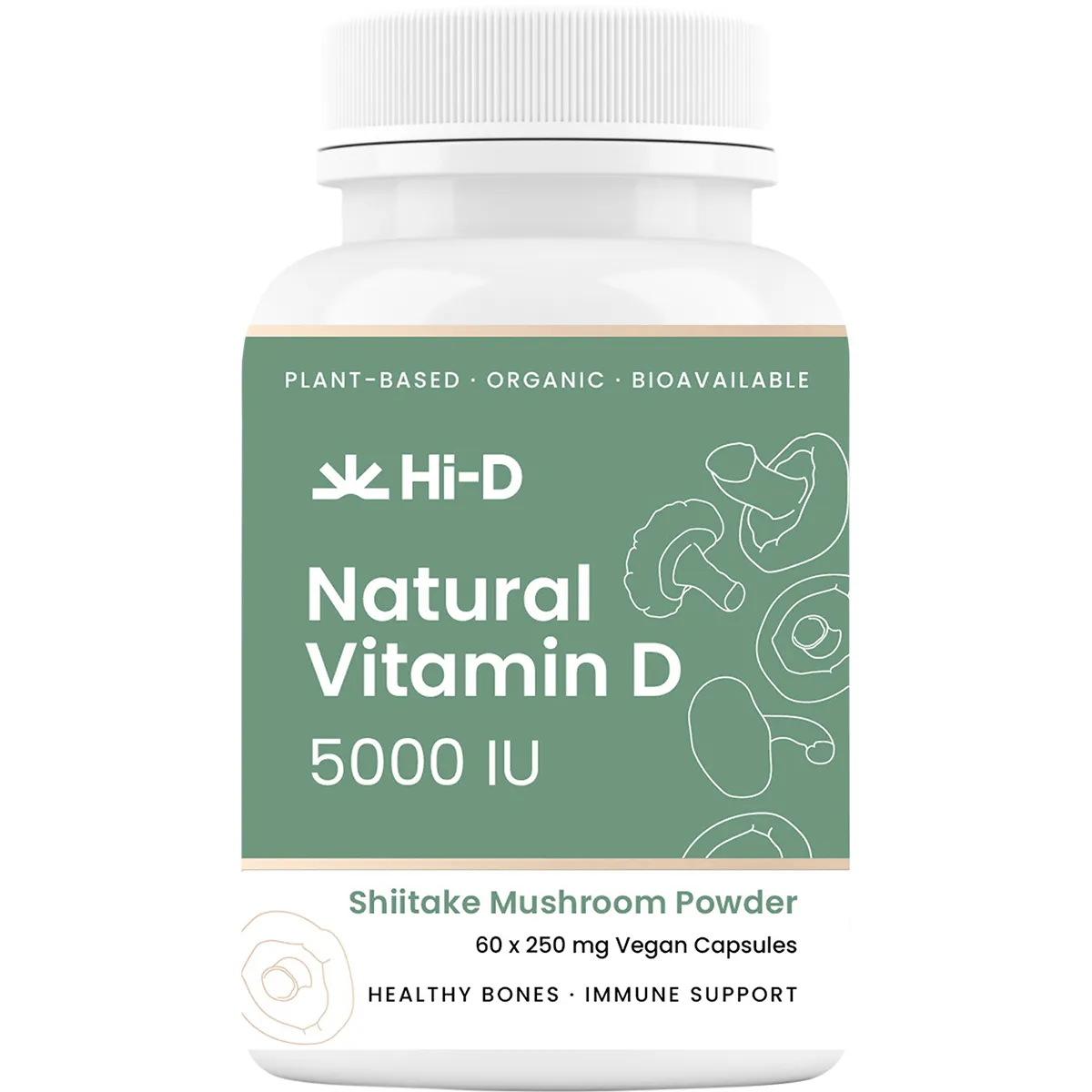
Hi-D Natural Vitamin D 5000 IU
Higher-strength vitamin D support for individuals requiring additional supplementation under practitioner guidance.

9. Gut Health Matters
The gut plays one of the biggest roles in overall immune health.
In fact, a large portion of the immune system is located within the gastrointestinal tract through what is known as the gut-associated lymphoid tissue (GALT).
The gut is constantly interacting with:
-
Food
-
Bacteria
-
Viruses
-
Toxins
-
Environmental compounds
This means the digestive system acts as a major communication center for immune activity.
The Gut Microbiome & Immunity
The gut microbiome refers to the trillions of bacteria and microorganisms living within the digestive tract.
A healthy and diverse microbiome helps support:
-
Immune regulation
-
Nutrient absorption
-
Inflammatory balance
-
Gut lining integrity
-
Production of beneficial compounds such as short-chain fatty acids
When the microbiome becomes disrupted, it may contribute to:
-
Bloating
-
Digestive discomfort
-
Constipation
-
Diarrhoea
-
Food sensitivities
-
Fatigue
-
Increased inflammation
Gut Barrier Function
The lining of the gut acts as a protective barrier between the external environment and the bloodstream.
Factors such as:
-
Chronic stress
-
Poor diet
-
Alcohol
-
Illness
-
Medications
-
Lack of sleep
may negatively affect gut barrier integrity over time.
Supporting digestion and gut health may therefore play an important role in supporting overall immune resilience.
Fibre & Digestive Health
Dietary fiber acts as fuel for beneficial gut bacteria.
When bacteria ferment fiber, they produce compounds that help support:
-
Colon health
-
Immune signalling
-
Inflammatory regulation
-
Digestive regularity
Many people are not consuming adequate fiber daily, which may impact digestive and immune health over time.
Gut Support Products
-
Enzymedica Digest Premium
Digestive enzymes help support the breakdown and absorption of nutrients. -
Health Kultcha Motion Potion
A targeted blend designed to support digestive comfort and bowel regularity. -
Best of the Bone Broth Original
Provides amino acids and nutrients to support gut lining integrity and nourishment. -
Herbs of Gold Gut Care Vanilla Oral Powder
Supports digestive health and gut repair processes. -
Herbs of Gold Probiotic 60 Billion
Provides beneficial bacteria to support microbiome balance and digestive health. -
Kfibre Essential Gut Health Fibre
Supports fiber intake, digestive regularity, and beneficial gut bacteria.
Small Daily Habits Make The Biggest Difference
Supporting your immune system is not about chasing one “magic” supplement.
It’s the small daily habits that often make the greatest long-term impact:
-
Prioritising sleep
-
Nourishing your body with whole foods
-
Supporting gut health
-
Managing stress
-
Moving daily
-
Staying hydrated
-
Getting sunlight exposure
-
Supporting nutrient intake where needed
Winter wellness is about supporting the body as a whole.
At Organic Instinct, we carefully review ingredients and source products we genuinely believe support healthier living, helping take the guesswork out of wellness shopping.
Whether you’re looking for:
-
Immune support
-
Gut health products
-
Natural electrolytes
-
Sleep support
-
Low-tox home products
-
Wholefood wellness solutions
Our team is here to help support your journey.
Shop With Organic Instinct
📍 36 Zakwell Court, Coolaroo VIC
🚚 Free shipping Australia-wide on orders over $99
You can explore our range online or visit us in-store to speak with our team for personalized wellness support.